By Lazy Programmer

From Prompt to Product: How Vibe Coding Is Changing the Game
Vibe coding is a cutting-edge approach where you describe what you want in plain English and a generative AI writes full-working software for you—no manual coding required. Coined by AI researcher and OpenAI co‑founder Andrej Karpathy, it’s about staying in creative flow: guiding the AI with natural language and iterating, rather than writing each line of code yourself
Why Is It Popular?
Vibe coding is gaining traction because it empowers individuals with minimal technical skills to build apps, prototypes, or tools rapidly. Startups and hobbyists alike love the speed—ideas go from prompt to working demo in minutes
At companies like Gitpod and Replit, teams are using it to free up developers from boilerplate work and focus more on product vision and experimentation
How It Works: Tools & Workflow
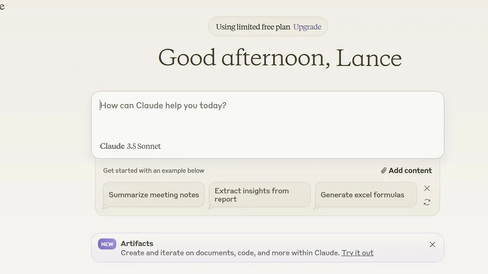
AI Chatbots as Editors: Instead of IDEs like Windsurf or Cursor—often too advanced or costly for beginners—novice users are better off starting with chat-based AI tools like Google AI Studio or Claude Opus
Prompt → Response → Iterate: You prompt the AI in English, receive generated code, test it, request changes, and iterate in a loop. It’s hands‑off coding with human oversight
Choice of Tools Matters:
Beginners: Replit, Lovable
Intermediate/pro: Cursor, Windsurf
Claude is often rated a top pick for interface and design support, though Gemini might produce more functional results in some cases




Best Practices for Vibe Coding
Plan First: Break your project into bite‑sized tasks. Share that roadmap with the AI to get better output
Test Continuously: Don’t accept code blindly. Use linting tools and basic tests to catch regressions or bugs—even between AI iterations
Be Precise in Prompts: The more detail you provide—labels, colors, logic rules—the more accurate your AI-generated feature will be
Pros & Cons at a Glance
PROS:Enables fast prototyping and idea validation
Accessible to non-coders and accelerates learning new stacks
Democratizes software creation beyond expert developers
CONS:
Code may be opaque, harder to maintain or debug
Vulnerabilities and unintended bugs are risks
Scalability and enterprise complexity remain limited
Real‑World Use Cases
Engineers use vibe coding to rapidly prototype new features, even in unfamiliar stacks, and gather feedback faster than ever
Non‑developers have built games, utilities, blogs, and interactive apps using tools like Claude, Gemini, Lovable—often within minutes
Startups: Some YC-backed teams report codebases up to 95% AI‑generated at early stages

Conclusion: Should You Try It?
Vibe coding is transforming how we build and prototype, making app creation accessible and democratised. For newcomers or lean product teams, it’s a gamechanger. But for high‑stakes, production, or secure applications, traditional coding and strong code understanding remain essential.
